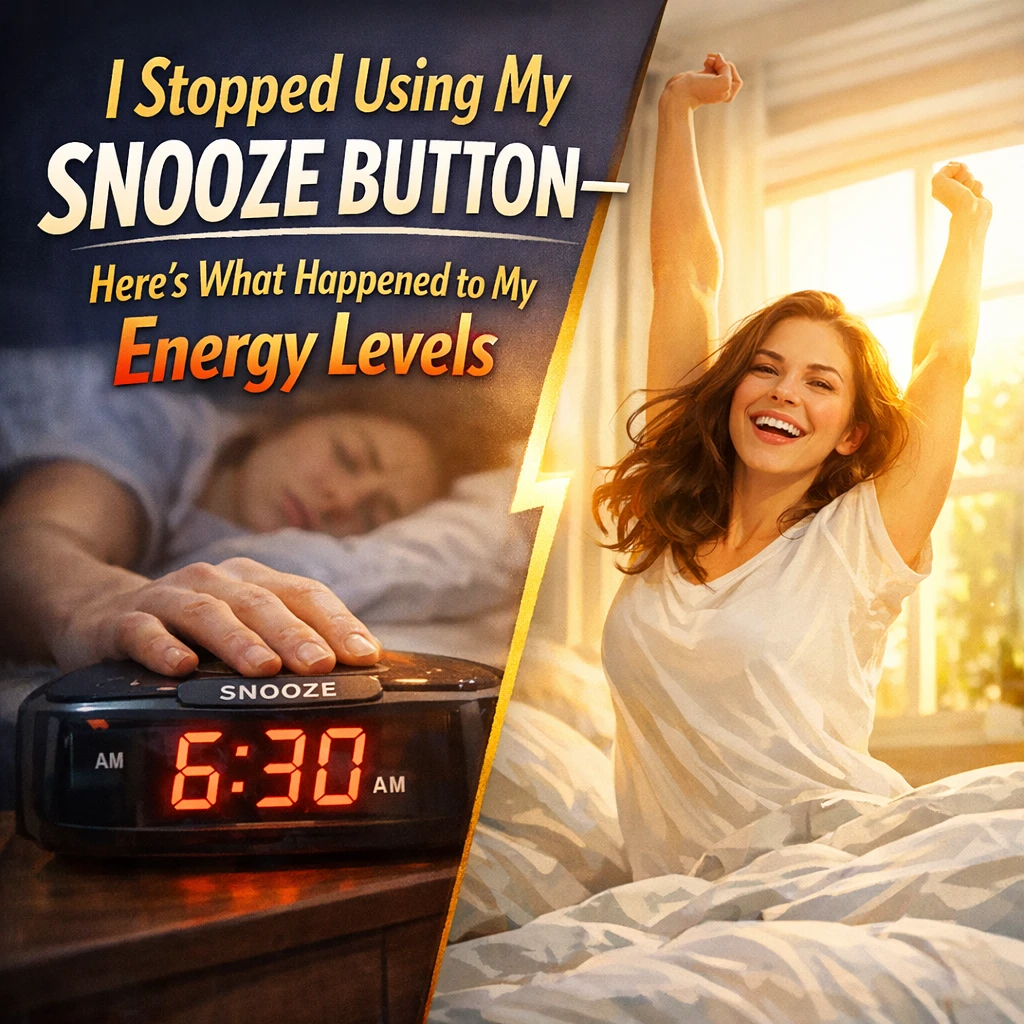
For years, I was a devout member of the Snooze Button Fan Club. That extra nine minutes of fragmented sleep felt like a lifeline, a tiny rebellion against the tyranny of morning alarms. But despite those precious extra moments, I’d drag myself out of bed feeling groggy, disoriented, and somehow more exhausted than if I’d just gotten up the first time.
Then, one day, I decided to quit cold turkey. No more snoozing. No more bargaining with my alarm clock. What followed was a transformation I never expected.
The Science Behind Snoozing (And Why It’s Sabotaging You)
Before diving into my experiment, I wanted to understand why snoozing feels so good yet leaves us so drained. Turns out, sleep experts have been warning us for years:
- Sleep Fragmentation: When you hit snooze, you’re not getting restorative sleep. Instead, you’re entering a light, disjointed sleep phase that’s more disruptive than restful.
- Sleep Inertia: Those extra minutes trap you in a groggy state called sleep inertia, where your brain struggles to transition from sleep to wakefulness.
- Circadian Rhythm Confusion: Repeated interruptions confuse your body’s internal clock, making it harder to feel alert naturally.
In short, snoozing tricks you into thinking you’re getting more rest, but you’re actually sabotaging your energy levels before the day even begins.
My 30-Day No-Snooze Experiment
Week 1: The Struggle Was Real
The first few days were brutal. My hand would instinctively reach for the snooze button, muscle memory overriding my resolve. But I forced myself to sit up, turn on the lights, and splash cold water on my face. By mid-morning, I noticed something surprising: I wasn’t more tired—I was less foggy.
Week 2: The Energy Shift
By the second week, my body started adjusting. Waking up became easier, and I no longer felt like I was fighting through a mental fog. I also realized I was falling asleep faster at night because my wake-up time was consistent.
Week 3: The Game-Changer
This was when the magic happened. I started waking up before my alarm—a phenomenon I hadn’t experienced since childhood. My energy levels were steadier throughout the day, and I no longer relied on caffeine to jumpstart my mornings.
Week 4: A New Normal
By the end of the month, snoozing felt like a relic of my past. My mornings were calmer, my focus sharper, and my energy levels sustained instead of spiking and crashing.
The Unexpected Benefits
Beyond better energy, ditching the snooze button had ripple effects:
- Improved Mood: Without the grogginess, I started my days with a clearer, more positive mindset.
- More Time: Those "extra" minutes were now spent on a short stretch, a mindful coffee ritual, or even just enjoying the quiet.
- Better Sleep Quality: My body learned to trust its natural rhythms, leading to deeper, more restorative sleep.
How to Break Up With Your Snooze Button
If you’re ready to try this for yourself, here’s what worked for me:
- Move Your Alarm: Place it across the room so you have to get up to turn it off.
- Commit to a Routine: Go to bed earlier to ensure you’re not sleep-deprived.
- Hydrate Immediately: Drinking water signals your body it’s time to wake up.
- Expose Yourself to Light: Open curtains or use a sunrise alarm clock to simulate natural wakefulness.
Final Thoughts
Quitting the snooze button wasn’t just about waking up earlier—it was about reclaiming my mornings and my energy. If you’ve ever felt like your alarm is the enemy, try this experiment. You might just find that the best way to gain more energy is to stop stealing those extra minutes.
Have you tried ditching the snooze button? Share your experience in the comments!