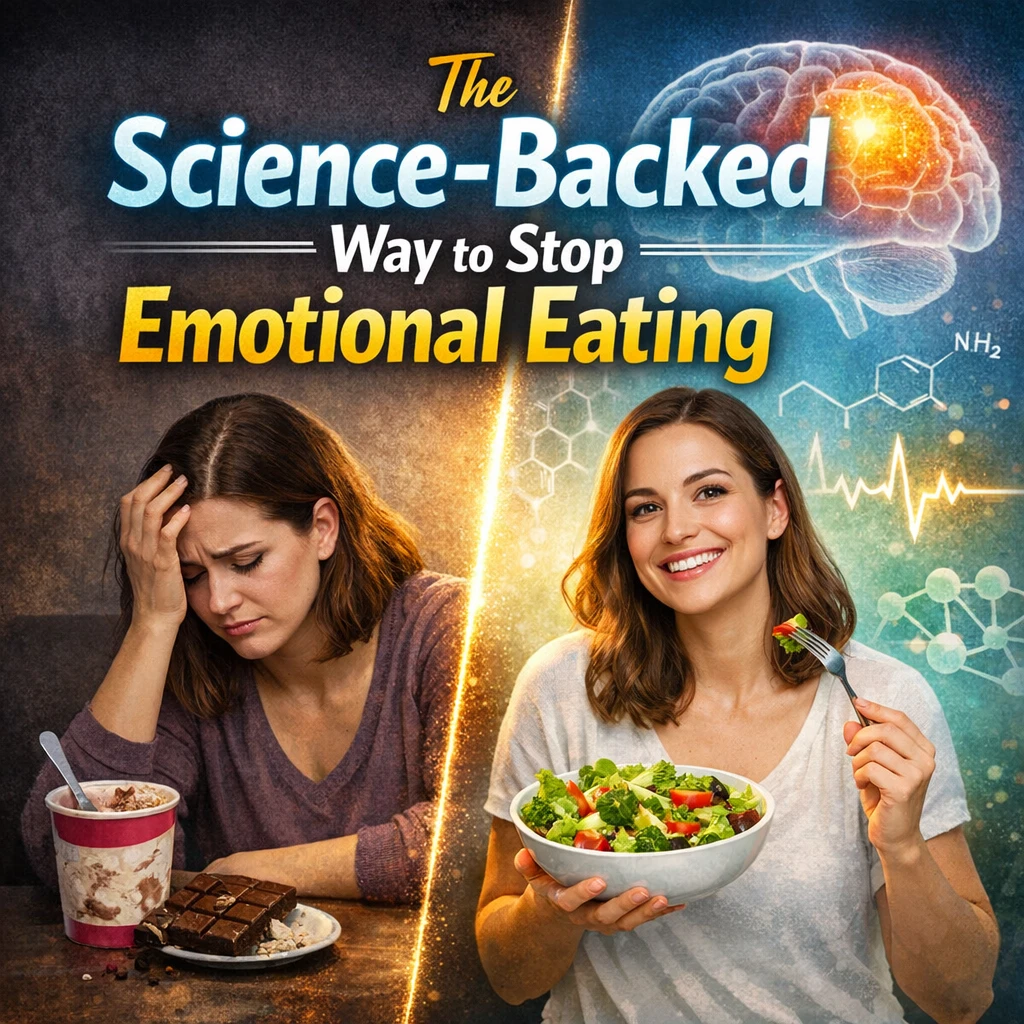
We’ve all been there: reaching for a bag of chips after a stressful day, diving into ice cream post-breakup, or mindlessly snacking while bored. Emotional eating—using food to soothe feelings rather than hunger—is a common struggle. But what if you could break the cycle using science-backed strategies? Let’s explore how to reclaim control over your eating habits by understanding the psychology behind emotional eating and implementing evidence-based solutions.
What Is Emotional Eating?
Emotional eating happens when food becomes a coping mechanism for emotions like stress, sadness, loneliness, or even joy. Unlike physical hunger, which builds gradually, emotional hunger strikes suddenly and craves specific comfort foods. The problem? It often leads to guilt, overeating, and a vicious cycle of emotional reliance on food.
The Science Behind the Craving
Research shows that emotional eating is tied to the brain’s reward system. When you eat highly palatable foods (think sugary or fatty snacks), your brain releases dopamine—the "feel-good" neurotransmitter. Over time, your brain associates these foods with emotional relief, making the habit hard to break.
Stress also plays a starring role. Cortisol, the stress hormone, increases appetite and drives cravings for high-calorie foods. Combine that with emotional triggers, and it’s no wonder turning to food feels like an automatic response.
How to Stop Emotional Eating: Science-Backed Strategies
Breaking free from emotional eating requires a mix of mindfulness, habit change, and emotional regulation. Here’s what works, according to research:
1. Identify Your Triggers
The first step is recognizing what sparks your emotional eating. Common triggers include:
- Stress (work deadlines, family conflicts)
- Boredom (mindless snacking while watching TV)
- Loneliness (eating to fill an emotional void)
- Celebration (rewarding yourself with food)
Keep a journal for a week to track when and why you eat emotionally. Patterns will emerge, helping you address the root cause.
2. Pause Before You Eat
When a craving hits, pause and ask yourself:
- Am I physically hungry? (Would I eat an apple right now?)
- What am I feeling? (Stressed? Anxious? Tired?)
This simple mindfulness technique disrupts the automatic response and gives you space to choose differently.
3. Find Non-Food Coping Mechanisms
Replace food with healthier ways to process emotions:
- Move your body: Exercise releases endorphins, natural mood boosters.
- Practice deep breathing: Calms the nervous system and reduces stress.
- Engage in a hobby: Distract yourself with activities you enjoy.
4. Build a Balanced Plate
Emotional eating often targets processed, sugary foods. To curb cravings:
- Eat regular, balanced meals: Protein, fiber, and healthy fats keep blood sugar stable.
- Stay hydrated: Thirst is sometimes mistaken for hunger.
- Keep tempting foods out of sight: Reduce accessibility to trigger foods.
5. Prioritize Sleep and Stress Management
Poor sleep disrupts hunger hormones (ghrelin and leptin), increasing cravings. Aim for 7–9 hours nightly. For stress, try:
- Meditation or yoga
- Journaling
- Talking to a friend or therapist
6. Practice Self-Compassion
Guilt after emotional eating often leads to more overeating. Instead of self-criticism, acknowledge the slip-up and refocus on your next healthy choice. Research shows self-compassion fosters long-term behavior change.
The Bottom Line
Emotional eating isn’t about willpower—it’s about understanding your brain’s wiring and rewiring it with healthier habits. By identifying triggers, pausing before eating, and adopting science-backed coping strategies, you can break the cycle for good.
Remember: Progress over perfection. Every small step counts.
Would you like to share your experiences with emotional eating? Drop a comment below—we’d love to hear your story!