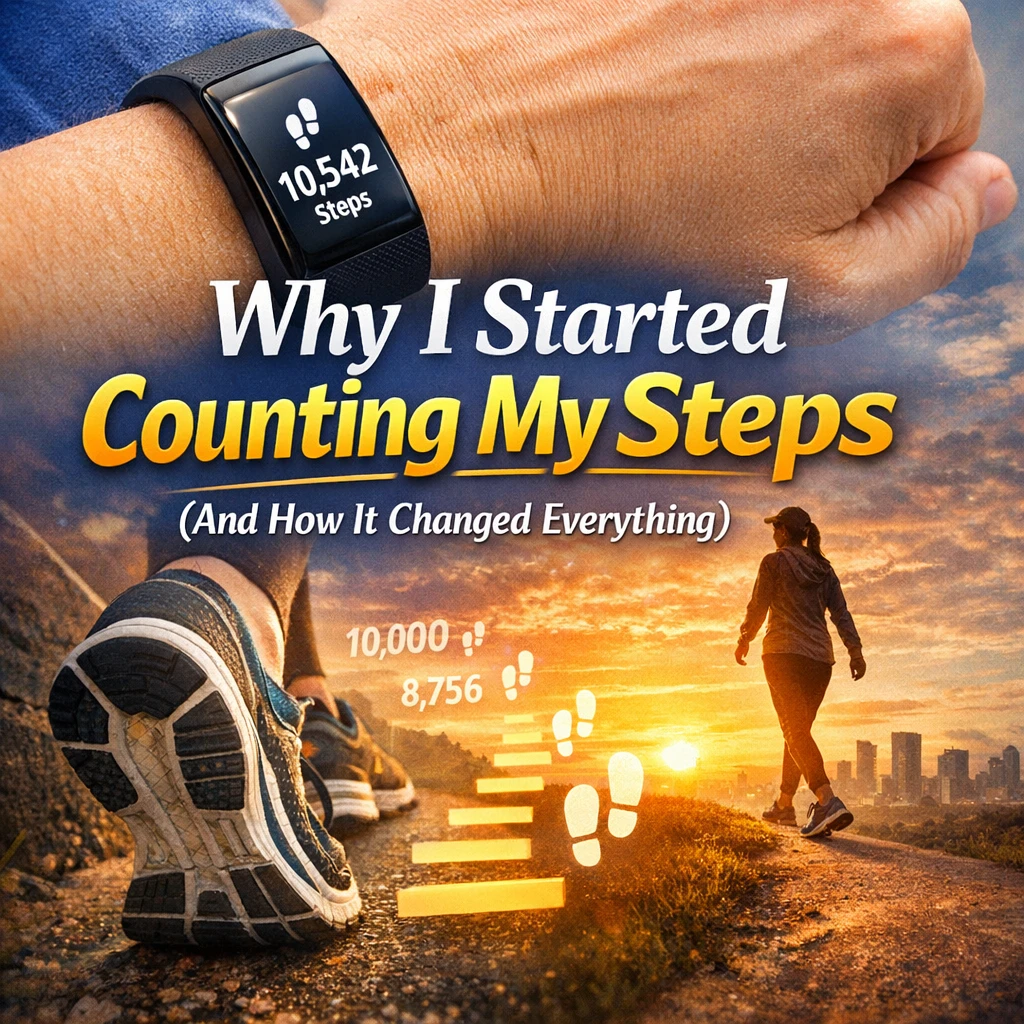
It all began on a dreary Tuesday morning. I was slumped on my couch, scrolling mindlessly through my phone, when a notification popped up: "You’ve only taken 1,200 steps today." I scoffed. Who cares about steps? But that little number gnawed at me. By the end of the week, I decided to give step counting a try—just out of curiosity. Little did I know, this small habit would reshape my health, mindset, and even my daily routine.
The Wake-Up Call: Why I Started Counting
Like many people, I assumed I was more active than I actually was. I’d go for occasional walks, take the stairs sometimes, and consider myself "fairly active." But when I synced my first fitness tracker, the truth was glaring: I averaged 4,000 steps a day—far below the recommended 7,000–10,000 for basic health.
The realization hit hard. Sedentary lifestyles are linked to everything from weight gain to heart disease, and here I was, barely moving. So, I set a modest goal: 5,000 steps a day.
The First 30 Days: Small Wins, Big Changes
At first, hitting 5,000 steps felt like a chore. I’d pace around my living room after dinner or take the long route to the bathroom. But soon, something shifted.
1. I Became More Mindful of Movement
Counting steps turned mundane tasks into opportunities. Parking farther away, walking during phone calls, or even just standing up every hour added up. I started seeing movement as a puzzle—how could I sneak in extra steps?
2. My Energy Levels Skyrocketed
Within two weeks, I noticed I wasn’t crashing at 3 p.m. anymore. Those extra steps were gently boosting my stamina and circulation. I felt lighter, sharper, and more alert.
3. It Became a Game
I’m competitive—even with myself. Watching my step count climb became addictive. I’d challenge myself to beat yesterday’s total or hit 10,000 steps on weekends. The thrill of hitting a new record kept me motivated.
The Ripple Effects: Beyond Physical Health
What surprised me most wasn’t just the physical benefits—it was how step counting seeped into other areas of my life.
Mental Clarity and Creativity
Walking became my thinking time. Strolls around the block turned into brainstorming sessions. I solved work problems, plotted story ideas, and even had mini-epiphanies—all while racking up steps.
Better Sleep
More movement meant deeper sleep. I fell asleep faster and woke up feeling refreshed. My late-night scrolling habit? Replaced by evening walks under the stars.
A Shift in Priorities
I started valuing movement over exercise. Instead of dreading the gym, I focused on making daily life more active. It was sustainable, effortless, and—dare I say—fun.
How to Start (And Stick With It)
If you’re curious about step counting, here’s what worked for me:
- Get a Tracker: Use a fitness watch, smartphone app, or even a pedometer. Data is motivating.
- Start Small: Aim for a realistic goal (e.g., 5,000 steps) and gradually increase.
- Make It Enjoyable: Listen to podcasts, explore new routes, or walk with friends.
- Celebrate Progress: Every milestone counts—literally.
The Bottom Line
Counting my steps started as a whim and became a lifestyle. It wasn’t about hitting a magic number; it was about awareness. Those little bursts of movement added up to better health, sharper focus, and a renewed appreciation for the power of small, consistent actions.
So, if you’re on the fence, try it. Lace up your shoes, take that first step, and see where it leads you. You might be surprised how much changes when you start paying attention to the steps you take—both literally and figuratively.
Now, if you’ll excuse me, I’ve got 2,000 more steps to hit today’s goal.
Have you tried step counting? Share your experiences in the comments!