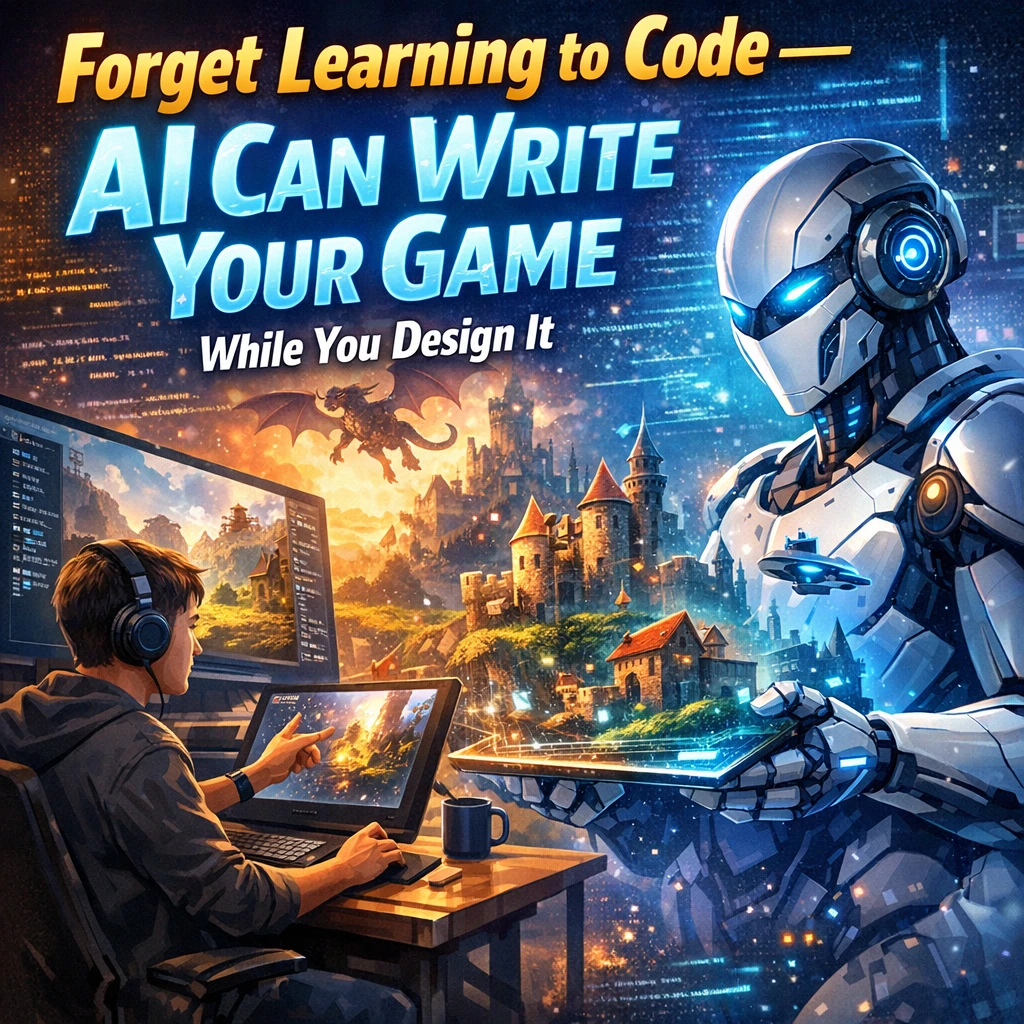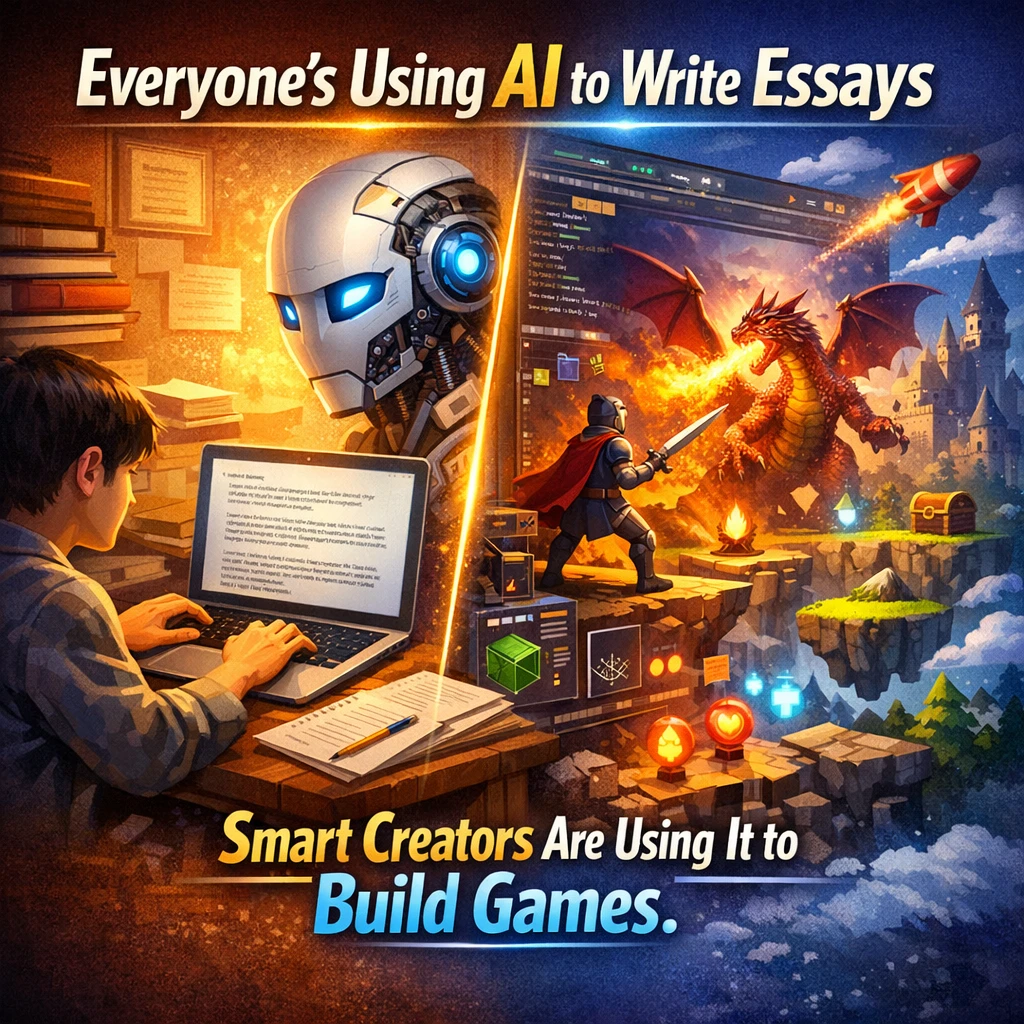
While the world debates whether AI-generated essays are cheating or innovation, a new wave of creators is quietly leveraging artificial intelligence for something far more exciting: game development. From indie developers to seasoned studios, AI is transforming how games are designed, coded, and even played. Here’s why the smartest creators are shifting their focus from text to interactive worlds.
Why AI in Game Development Is a Game-Changer
AI isn’t just about automating tedious tasks—it’s about unlocking creativity. Here’s how:
1. Procedural Content Generation
Imagine a game where every level, character, or quest is unique. AI can generate endless variations of environments, narratives, and challenges, ensuring no two playthroughs are the same. This isn’t just efficiency; it’s a revolution in replayability.
2. Dynamic Storytelling
Forget linear narratives. AI can adapt stories in real-time based on player choices, creating deeply personalized experiences. Your decisions don’t just change dialogue—they reshape the world.
3. Smarter NPCs
Non-playable characters (NPCs) no longer need scripted responses. With AI, they can learn, adapt, and even develop personalities based on player interactions. The result? Immersive worlds that feel alive.
4. Rapid Prototyping
Game development is notoriously time-consuming. AI accelerates prototyping by generating assets, debugging code, and even suggesting design improvements. What used to take months can now be done in weeks.
How Creators Are Using AI Today
Indie Developers: Punching Above Their Weight
Small teams are using AI to compete with AAA studios. By automating asset creation or balancing game mechanics, indie devs can focus on innovation rather than grunt work.
Narrative Designers: Crafting Branching Stories
Writers are collaborating with AI to draft dynamic dialogues and plot twists, ensuring every player’s journey feels unique.
Game Testers: Finding Bugs Faster
AI-driven testing tools can simulate thousands of playthroughs, identifying glitches and imbalances that human testers might miss.
The Ethical Edge: Why Games Are Different
While AI-generated essays raise concerns about originality, AI in games is inherently collaborative. The end product isn’t a static piece of text—it’s an interactive experience shaped by both the creator and the player. AI becomes a tool for co-creation, not replacement.
Getting Started: Tips for Aspiring AI Game Creators
-
Experiment with Free Tools
Many open-source AI frameworks exist for generating assets, code, or narratives. Start small and iterate. -
Focus on Player Experience
AI should enhance immersion, not just show off tech. Ask: How does this make the game more fun? -
Learn the Basics
Understanding fundamental game design principles ensures AI complements your vision, not dictates it. -
Join Communities
Share ideas, troubleshoot challenges, and stay updated on the latest AI advancements in game dev.
The Future Is Interactive
While others debate AI’s role in education, forward-thinking creators are already building the next generation of games. The question isn’t whether AI will change gaming—it’s how far we can push the boundaries of play.
So, are you writing essays with AI? Or are you building worlds with it? The choice is yours.