By [Your Name]
The Childhood Dream of Game Creation
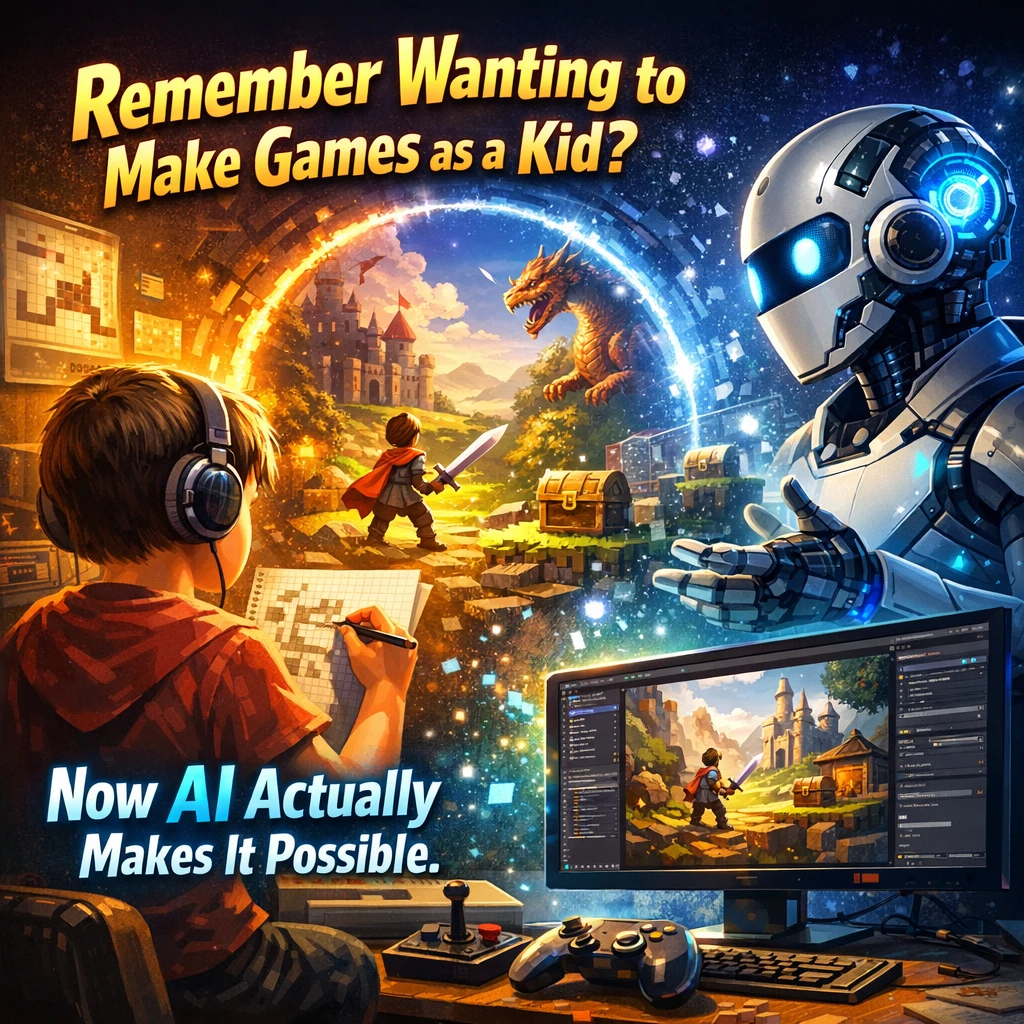
Remember sketching out game ideas in notebooks, imagining sprawling worlds, or designing characters with superpowers? For many of us, the dream of making games was a childhood passion—but the technical barriers often felt insurmountable. Coding, art, and sound design seemed like mountains too steep to climb.
Today, artificial intelligence is reshaping that landscape, turning what was once a distant fantasy into an accessible reality. Whether you're a nostalgic adult revisiting old dreams or a curious newcomer, AI-powered tools are democratizing game development like never before.
How AI Lowers the Barriers to Game Creation
1. No Coding? No Problem
Traditionally, game development required deep programming knowledge. Now, AI-assisted platforms allow creators to generate functional game logic using natural language. Describe your mechanics in plain English, and AI can help translate those ideas into working prototypes—without writing a single line of code.
2. Instant Art and Animation
Pixel art, 3D models, and animations used to take months to master. AI-powered generators can now produce concept art, textures, and even animated sprites based on simple prompts. Want a cyberpunk cityscape or a cartoon-style hero? A few descriptive sentences can bring them to life.
3. Dynamic Storytelling and NPCs
AI isn’t just about visuals—it can also craft branching narratives and intelligent non-player characters (NPCs). Imagine a game where every dialogue choice leads to unique consequences, or where NPCs react dynamically to player actions. AI makes these immersive experiences achievable for solo developers.
4. Music and Sound Effects on Demand
Creating original soundtracks or effects once required expensive software or professional composers. Now, AI can generate mood-appropriate music and sound effects in seconds, from eerie dungeon ambiance to epic battle themes.
The Ethical and Creative Balance
While AI accelerates game creation, it also raises important questions:
- Originality vs. Automation – How much of your game should be AI-generated versus handcrafted? Striking a balance ensures your work feels personal and unique.
- Learning the Fundamentals – Relying solely on AI might skip essential skills. Understanding basic design principles will make you a stronger creator in the long run.
- Community and Collaboration – The best games often come from teamwork. AI can assist, but human creativity and feedback remain irreplaceable.
Getting Started: Tips for Aspiring Game Makers
- Start Small – Begin with a simple concept (like a puzzle or platformer) before tackling an open-world RPG.
- Experiment Freely – Use AI to prototype quickly, but don’t be afraid to tweak and refine manually.
- Join Communities – Share your progress, get feedback, and learn from others in game dev forums or social groups.
- Keep Learning – AI is a tool, not a replacement. The more you understand game design, the better your creations will be.
The Future Is Yours to Build
The dream of making games no longer belongs only to studios with massive budgets. AI puts the power of creation in your hands—whether you're revisiting childhood ambitions or discovering a new passion.
So, what kind of game will you make?
What’s your earliest game idea? Share it in the comments! (Hypothetical engagement prompt—no actual links or platforms referenced.)
Disclaimer: This article discusses general concepts and does not endorse any specific tools or services.