Want to spark your child’s creativity while having fun together? Building video games doesn’t have to involve complex coding or expensive tools. With the right approach, you and your kids can create simple, engaging games in just a weekend—no programming experience required! Here’s how to get started.
Why Game Creation Is Great for Kids
Game design isn’t just about entertainment; it’s a powerful learning tool. When kids build games, they:
- Develop problem-solving skills by figuring out rules and mechanics.
- Boost creativity through storytelling and character design.
- Learn logical thinking by structuring game flow.
- Gain confidence when they see their ideas come to life.
Best of all, you don’t need to be a tech expert to guide them. Let’s dive into the process.
Step 1: Start with a Simple Game Concept
Begin by brainstorming ideas with your child. Keep it simple—think classic games like:
- Maze games (guide a character to the exit).
- Platformers (jump over obstacles to reach a goal).
- Puzzle games (solve challenges to advance).
Ask questions to spark their imagination:
- What’s the goal of the game?
- Who is the main character?
- What obstacles will the player face?
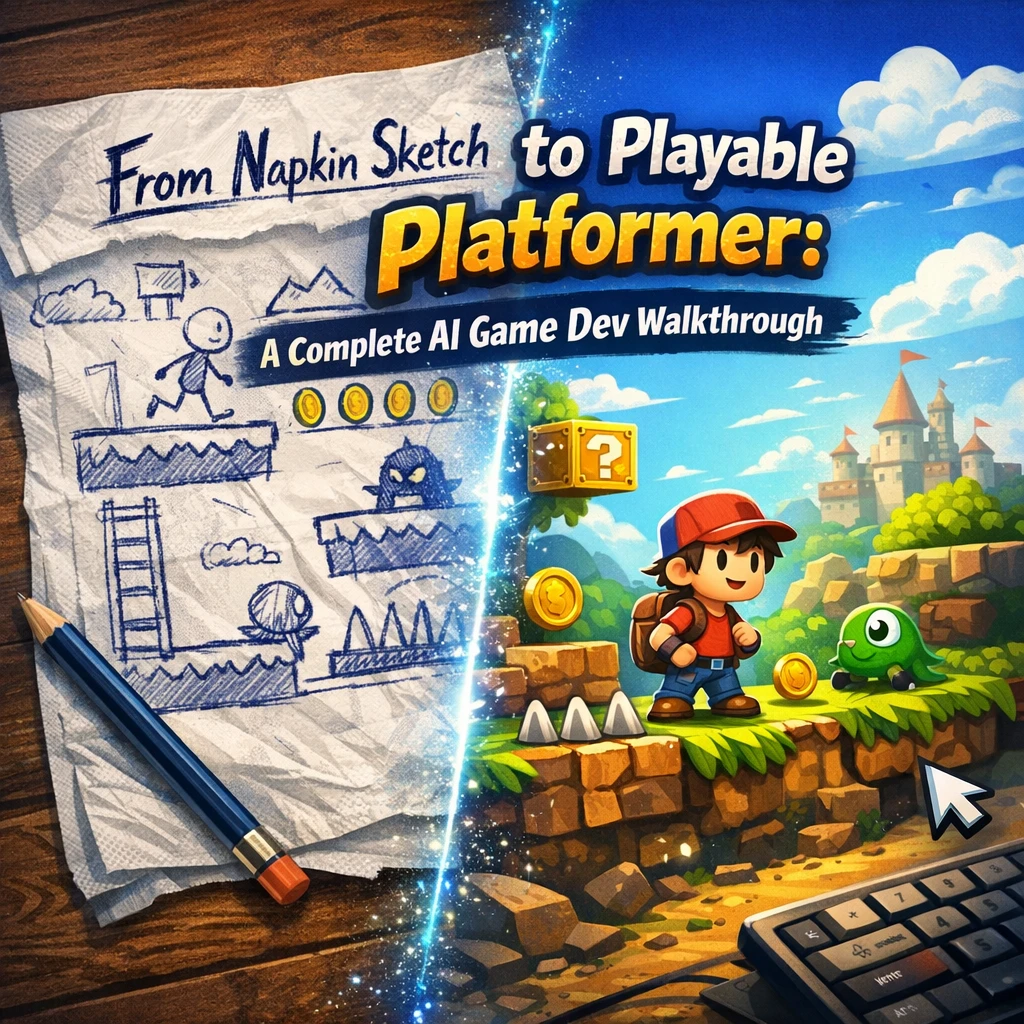
Sketch the game on paper first. A rough storyboard helps visualize the gameplay.
Step 2: Choose a No-Code Tool (Without Overwhelming Them)
Many intuitive platforms let kids create games without writing code. Look for tools that offer:
- Drag-and-drop interfaces for easy design.
- Pre-made assets (characters, backgrounds, sounds) to avoid starting from scratch.
- Tutorials or guided projects to learn the basics quickly.
Spend time exploring the tool together. Let your child experiment—trial and error is part of the fun!
Step 3: Design Characters and Worlds
This is where creativity shines. Encourage your child to:
- Draw or describe characters: What do they look like? What are their abilities?
- Build the game world: Is it a jungle, a spaceship, or a fantasy kingdom?
- Add simple rules: How does the player win or lose?
Remind them that perfection isn’t the goal—iteration is key. Even basic designs can lead to exciting gameplay.
Step 4: Test and Refine the Game
Once the first draft is ready, playtest it together. Ask:
- Is the game fun?
- Are the rules clear?
- What could make it better?
Tweak the mechanics based on feedback. This teaches kids the value of refining their work.
Step 5: Share and Celebrate
Finished the game? Celebrate the achievement! Share it with family or friends to play. This builds pride and motivates future projects.
Final Tips for Success
- Keep sessions short and fun to avoid burnout.
- Encourage collaboration—siblings or friends can join in.
- Focus on the process, not just the result. Learning happens along the way.
By the end of the weekend, your child will have a game they built themselves—and a newfound love for creation. Who knows? This might be the start of a lifelong passion for design, storytelling, or even coding down the road.
Happy game-making! 🎮✨